Prompt: Be Present
Design · Social Design Project
Client
AUT University Project
How can we improve mental health, social cohesion and community engagement by increasing presence in urban environments?
This social design project explores how graphic design interventions could re-engage young adults in urban environments by promoting presence, social cohesion and community engagement, addressing distraction and the impact of technology overuse on the wellbeing of young New Zealanders.
Audience
New Zealand young adults aged 16 to 24 living in urban environments, who spend substantial time online
Year
2023
Skills
Campaign design, pattern design, packaging, poster design, motion graphics
Statement
Time is our most precious commodity because once it has passed it is irreplaceable. Young people are incredibly distracted and not aware of how much of their lives they give away to social media and other apps. This campaign visualises distraction and time: an average screen time of 3 hours 30 minutes a day adds up to 11.4 years of the average 80-year lifespan in New Zealand.
Aim
In a world full of constant online distractions, the project encourages young people to be mindful, aware of their community and present in urban environments so they can gain traction in their lives.
It investigates how physical design interventions in Auckland City could re-engage young adults and minimise technological distraction, promoting activities that benefit wellbeing, such as physical activity, mindfulness, getting into nature and face-to-face social interaction.
Prompt
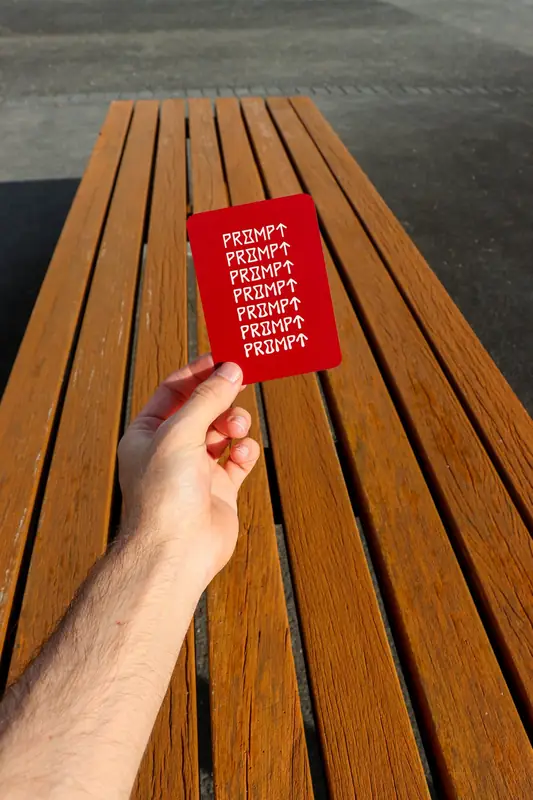
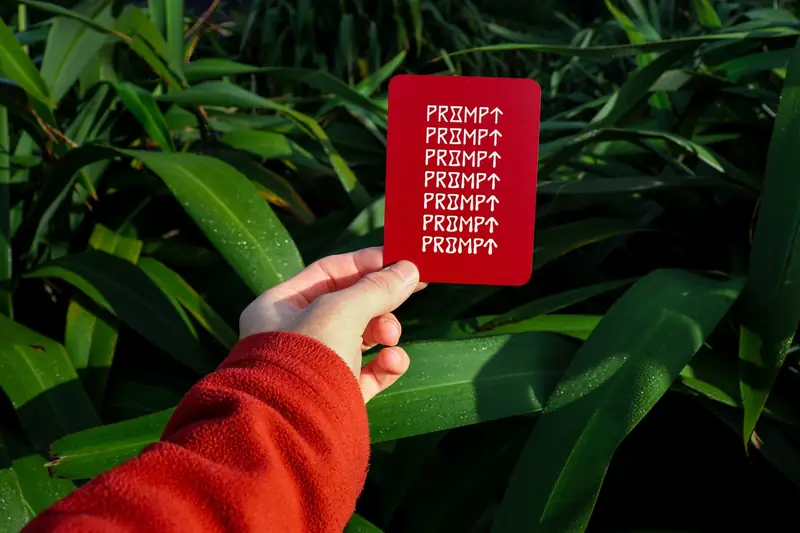
The project uses geometric patterns across a range of collateral to encourage young people to be present and to show the power of presence to build traction rather than living in constant distraction.
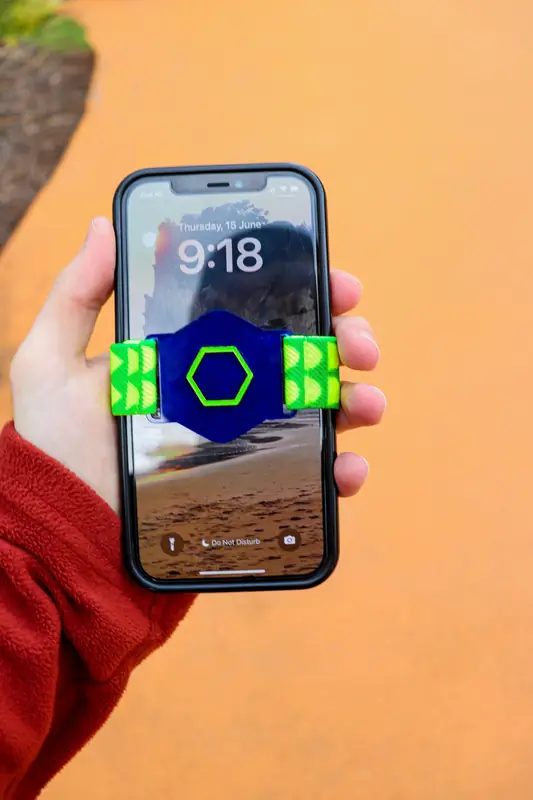
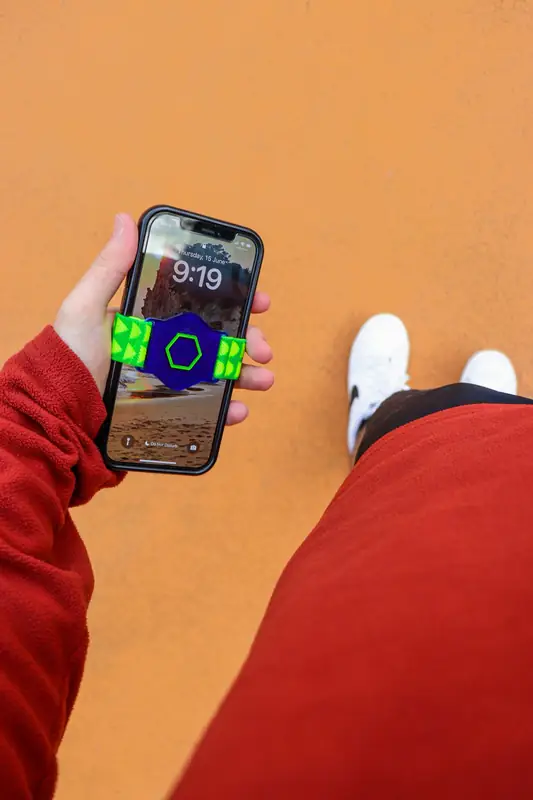
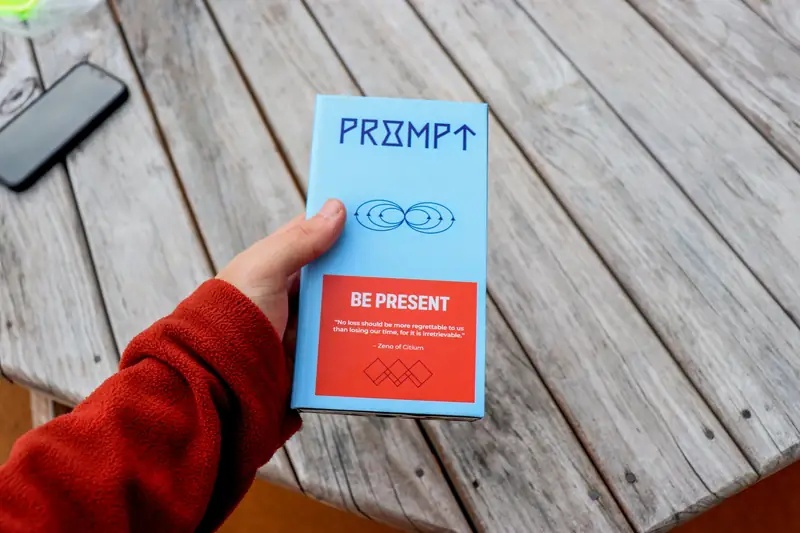
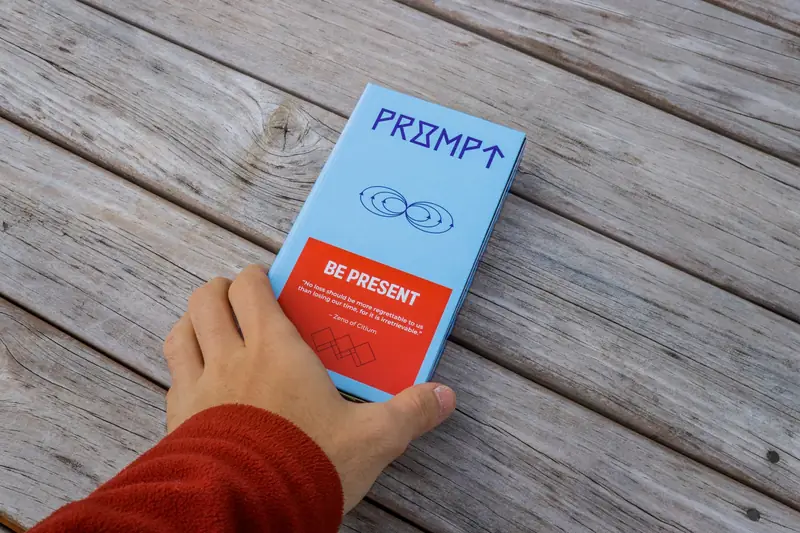
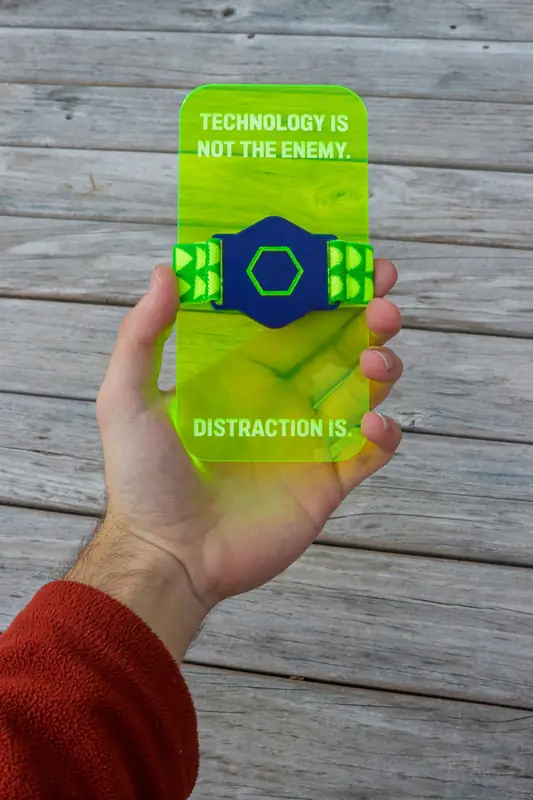
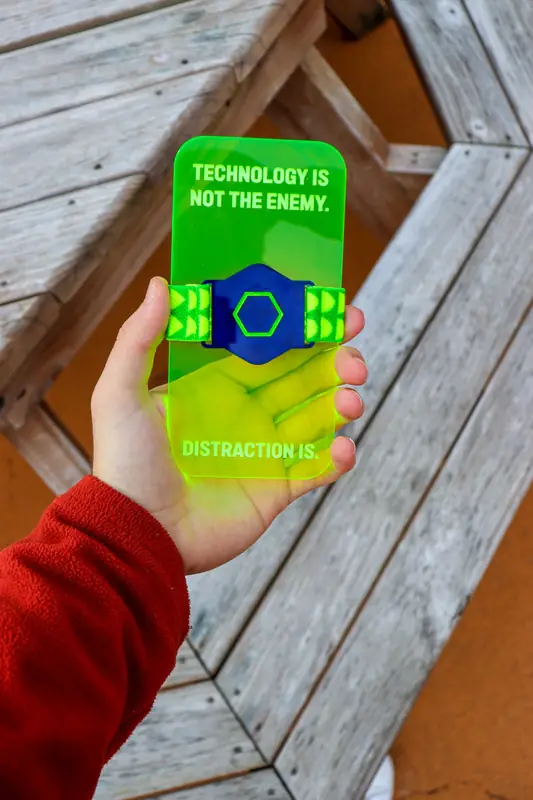
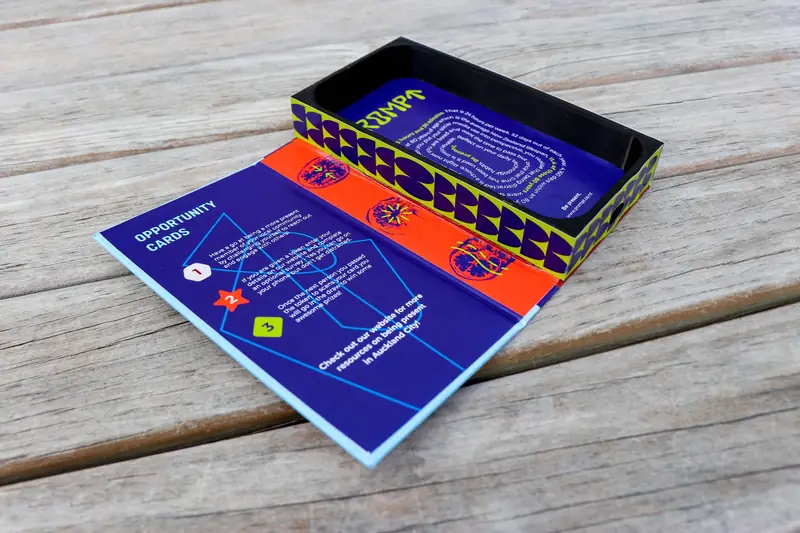
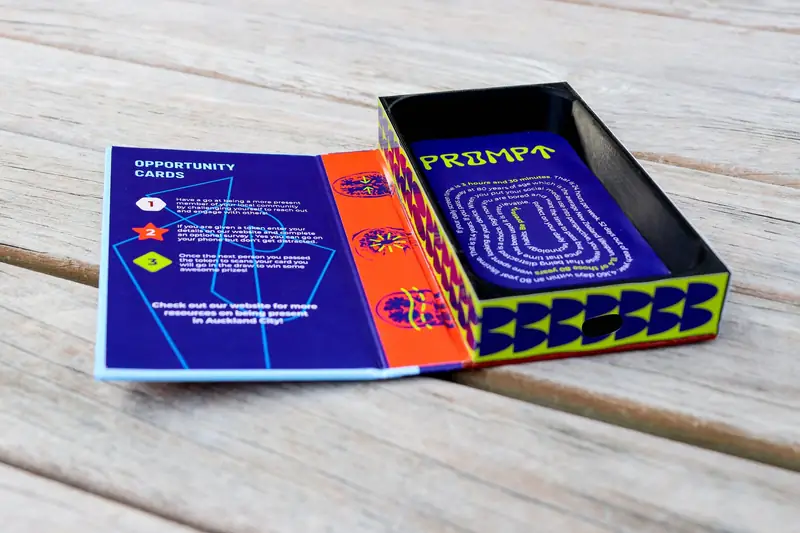
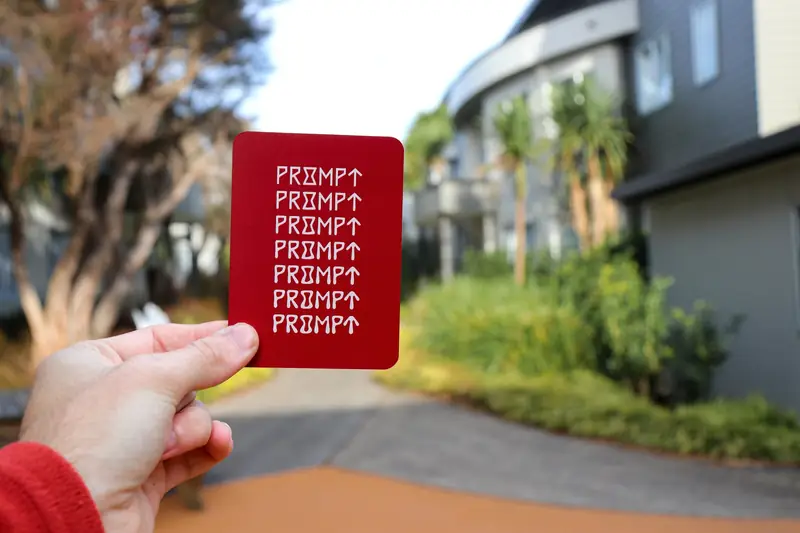
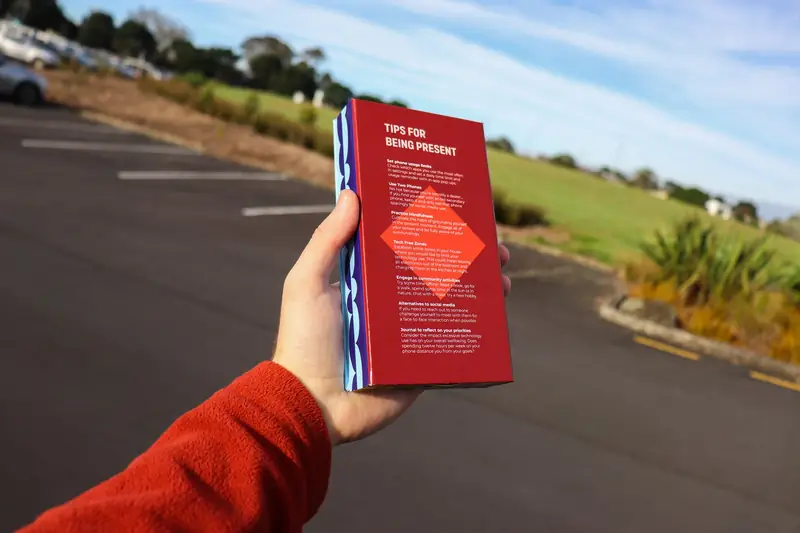
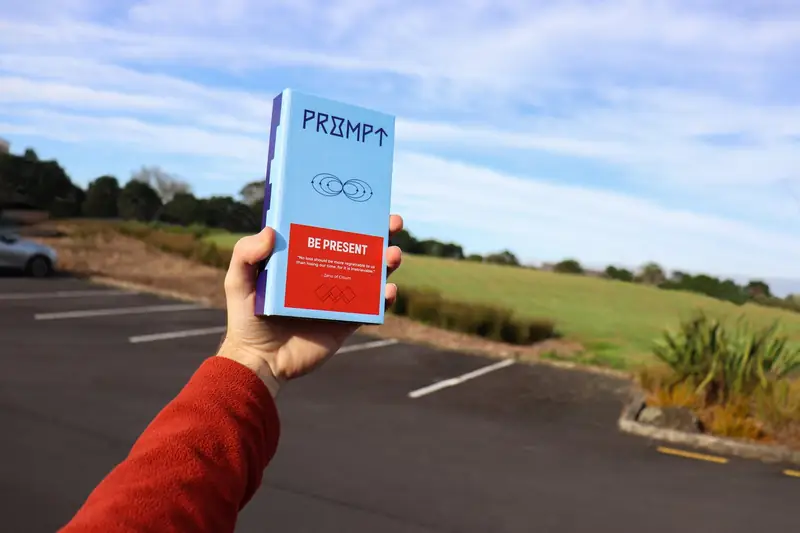
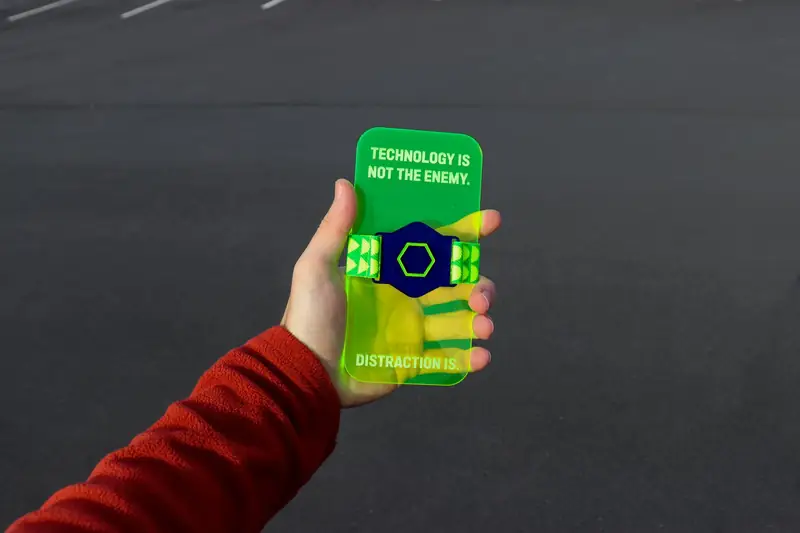
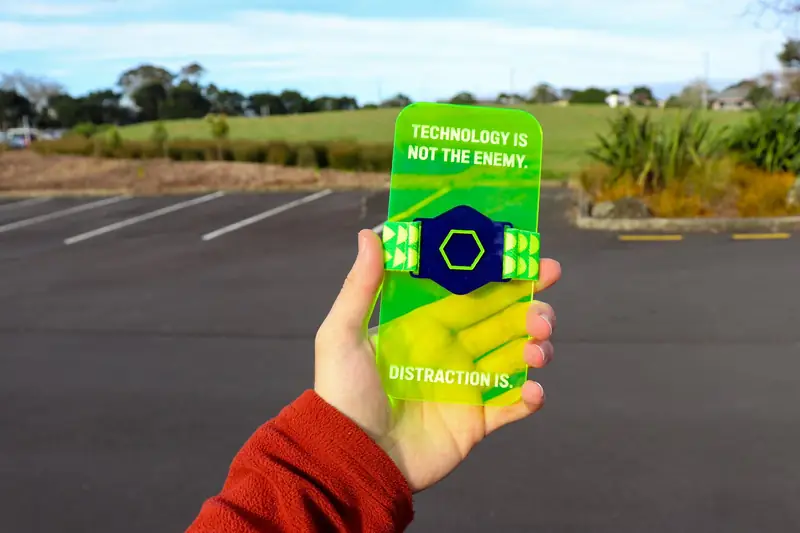
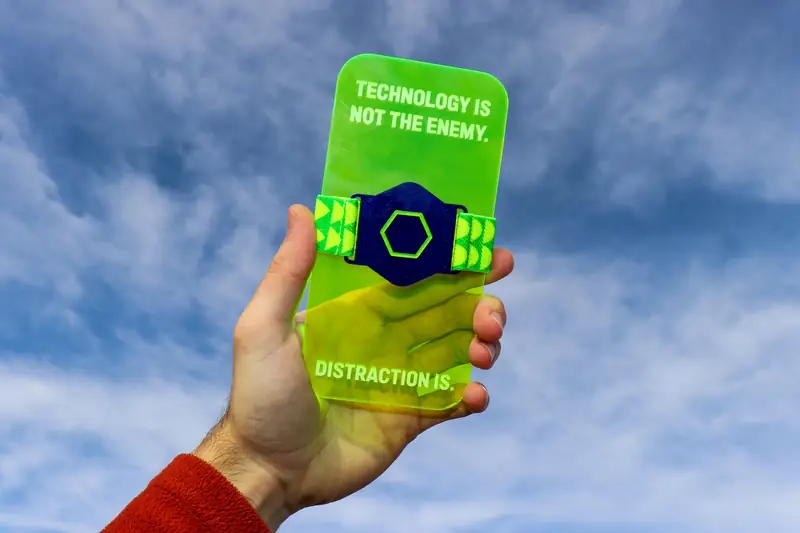
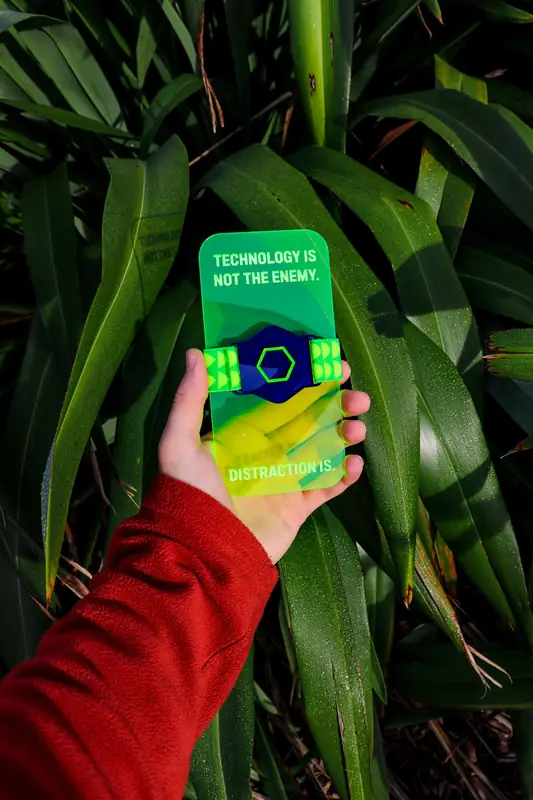
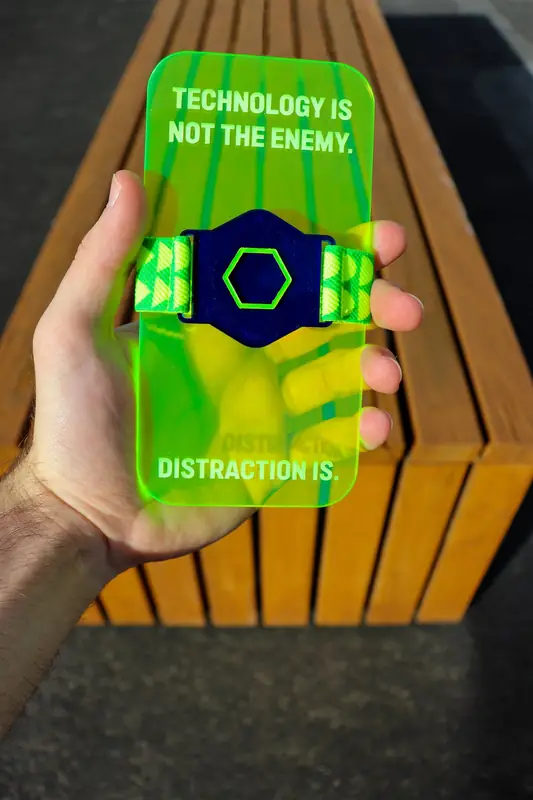
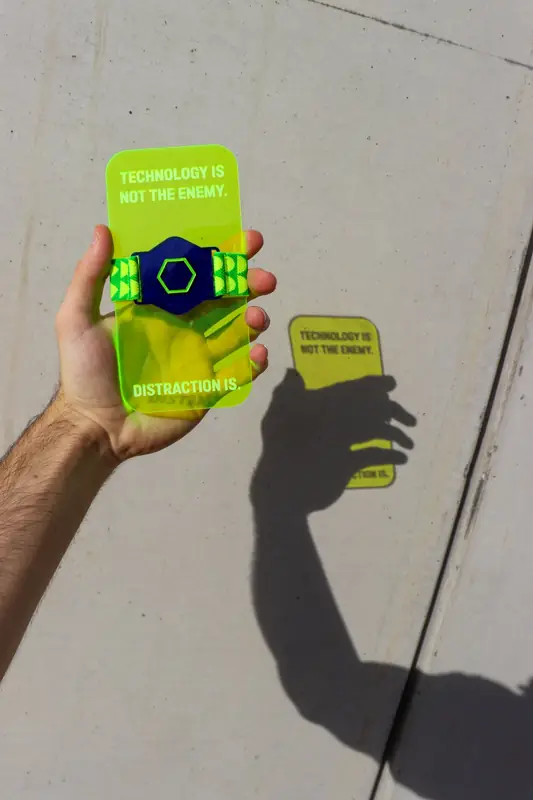
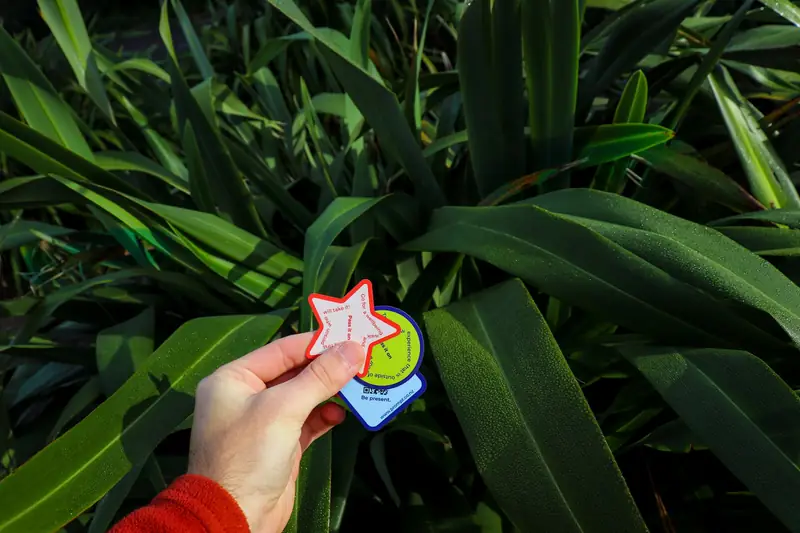
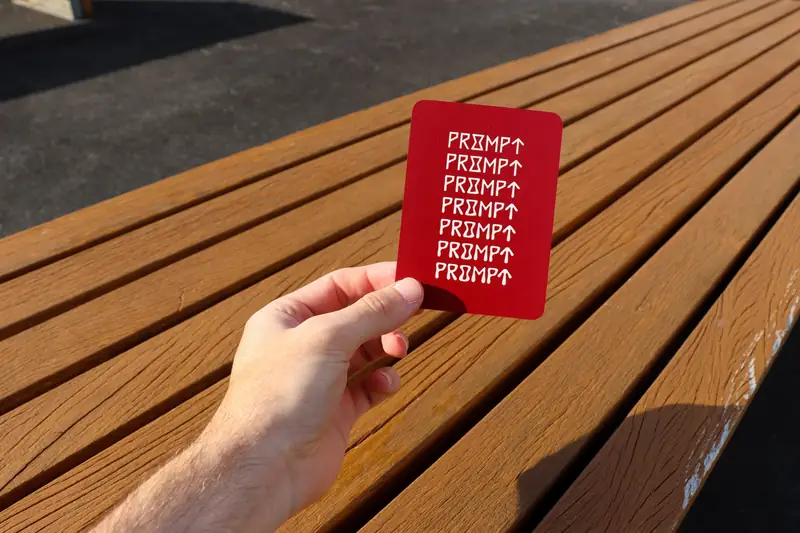
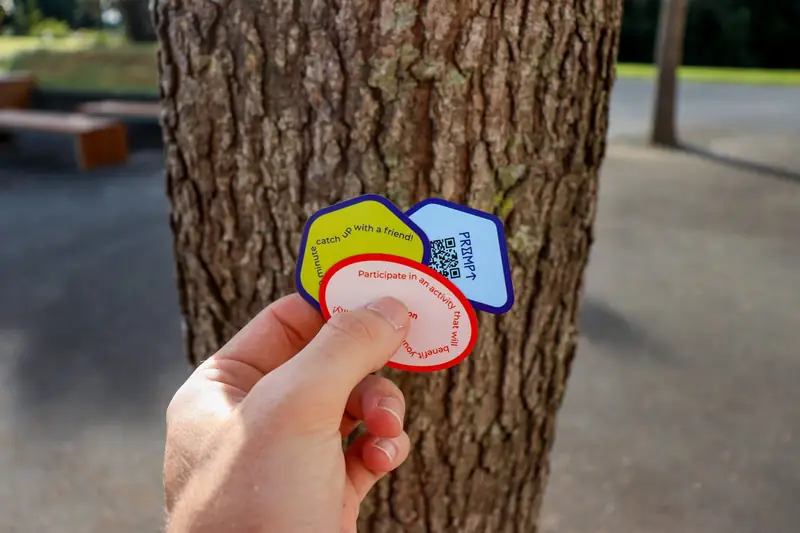
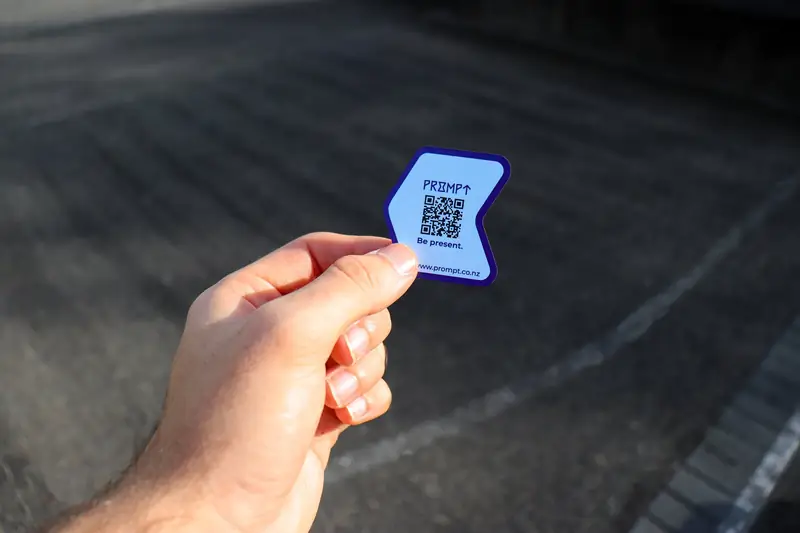
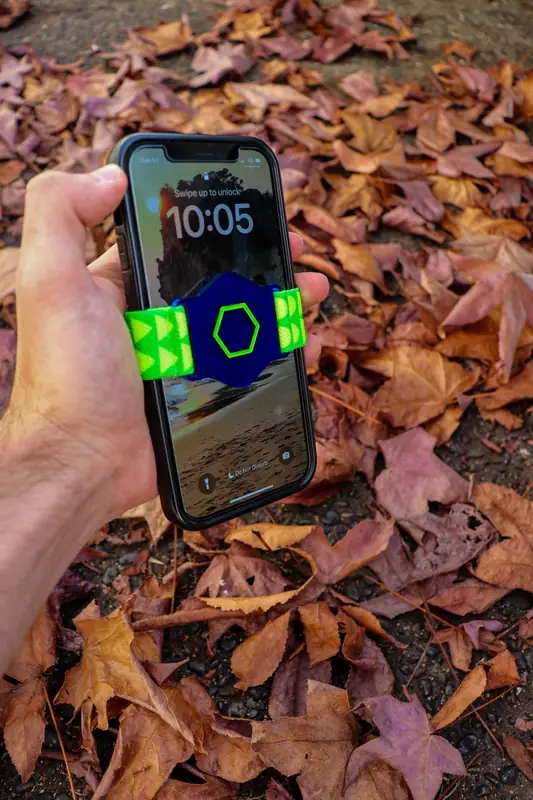
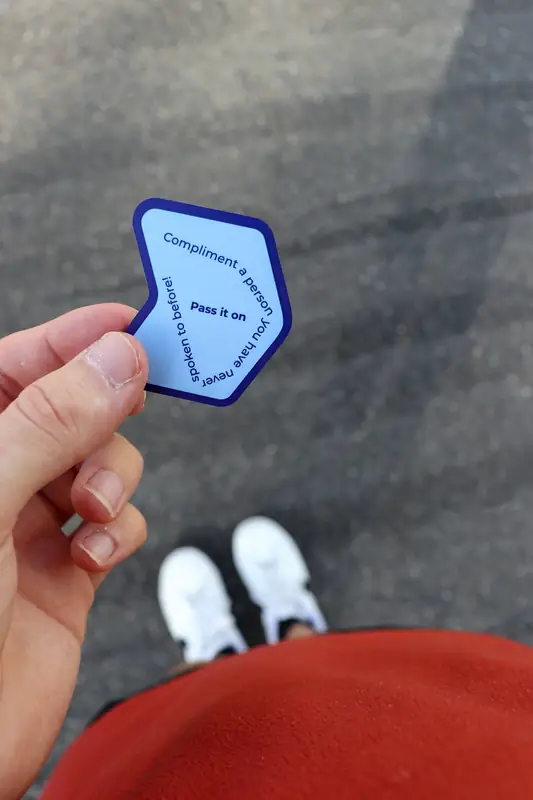
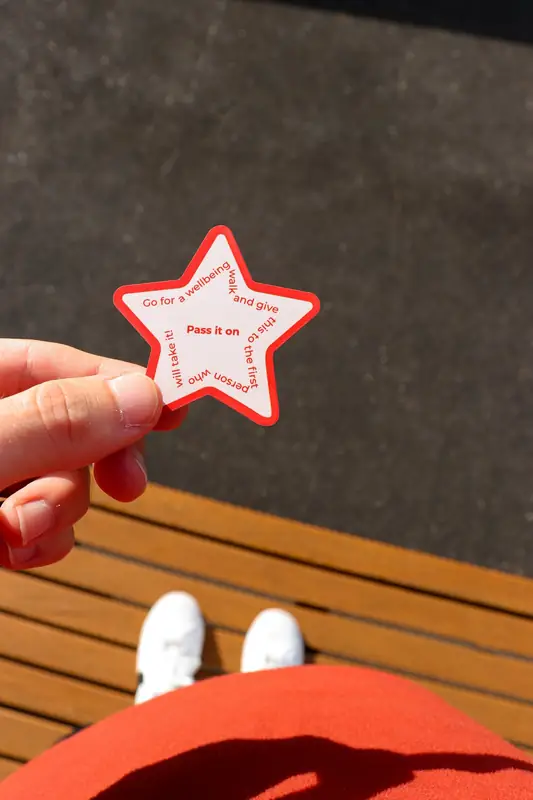
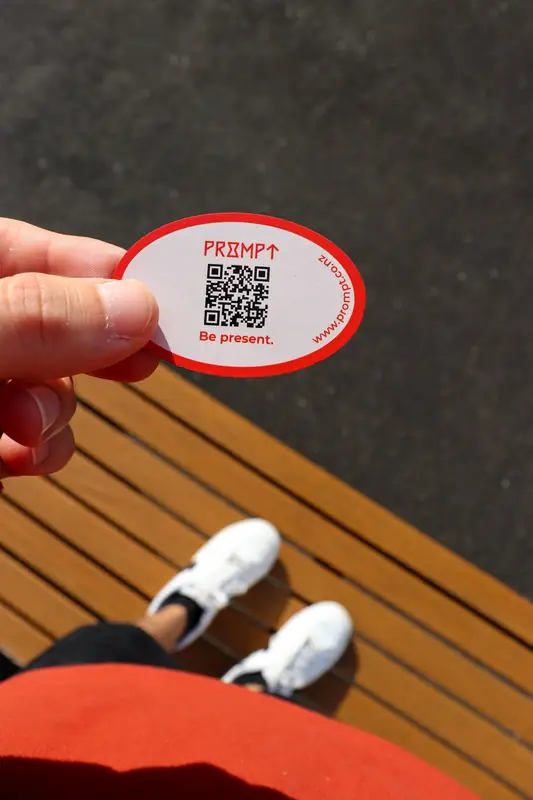
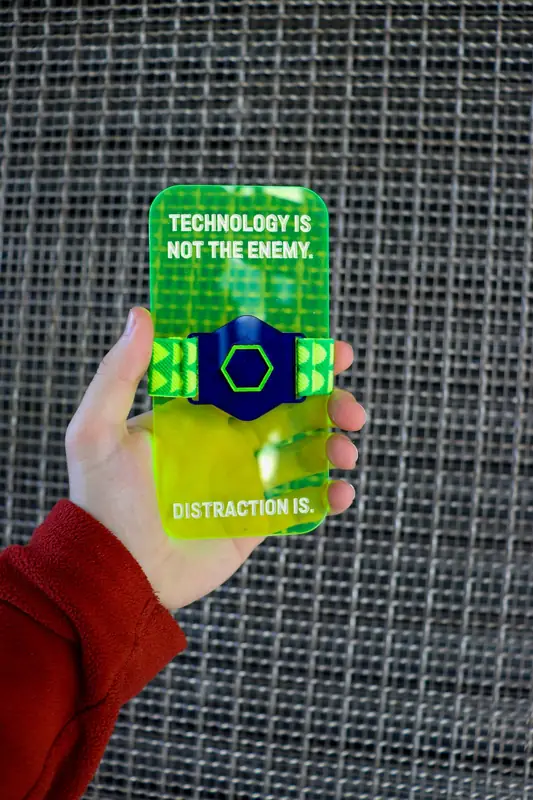
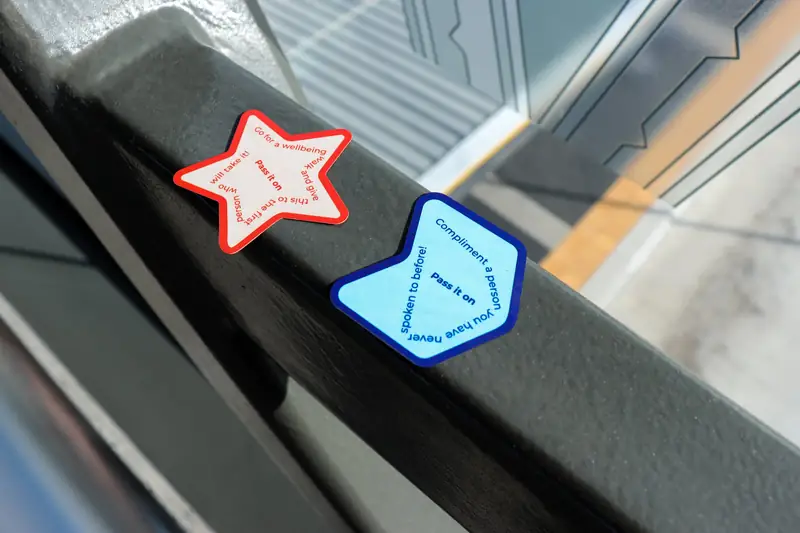
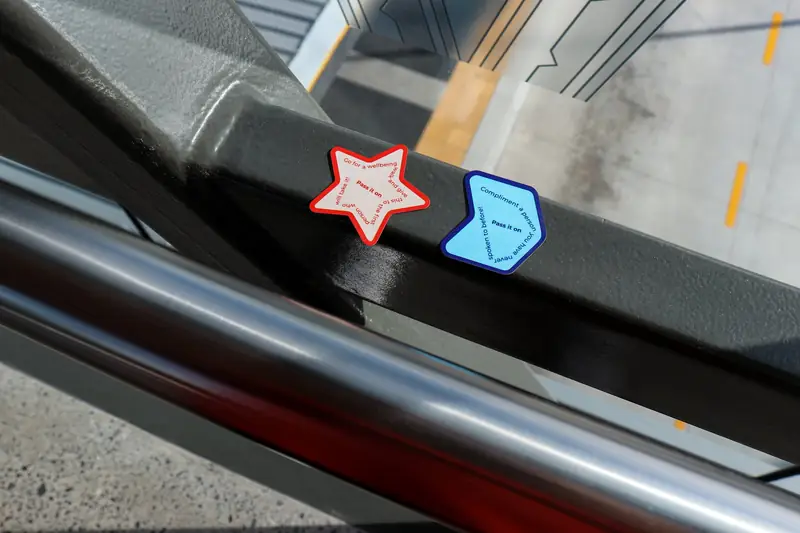
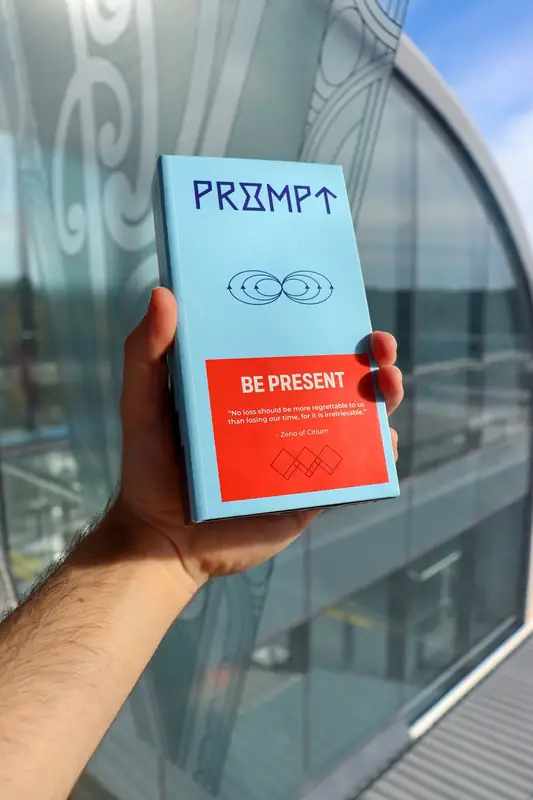
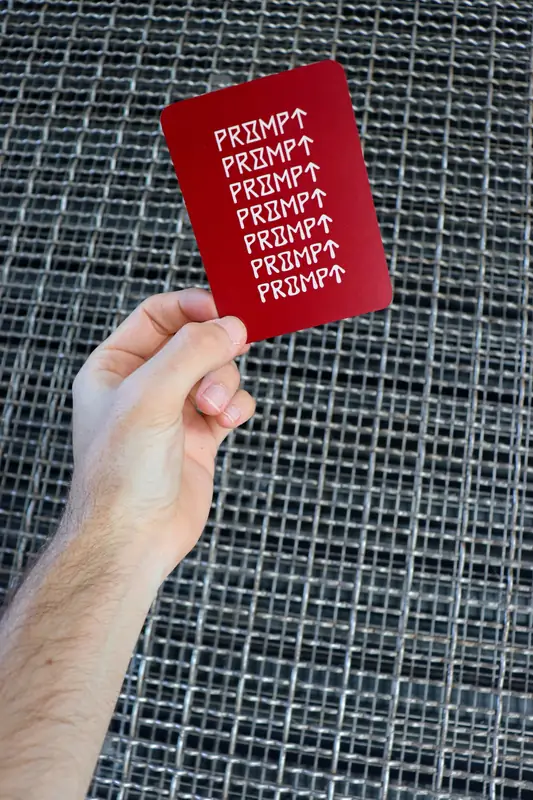
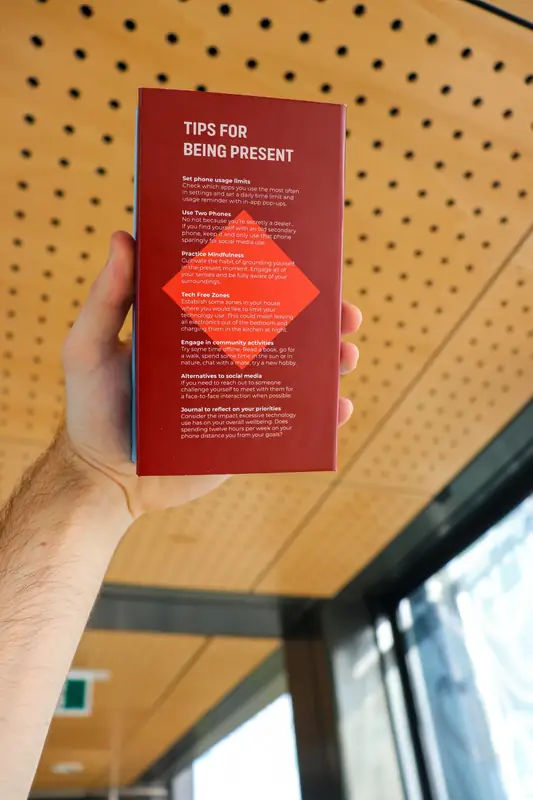
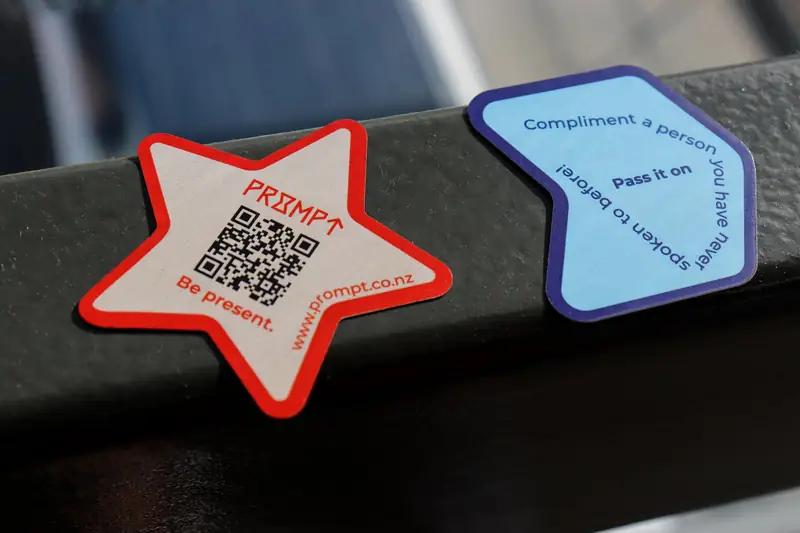
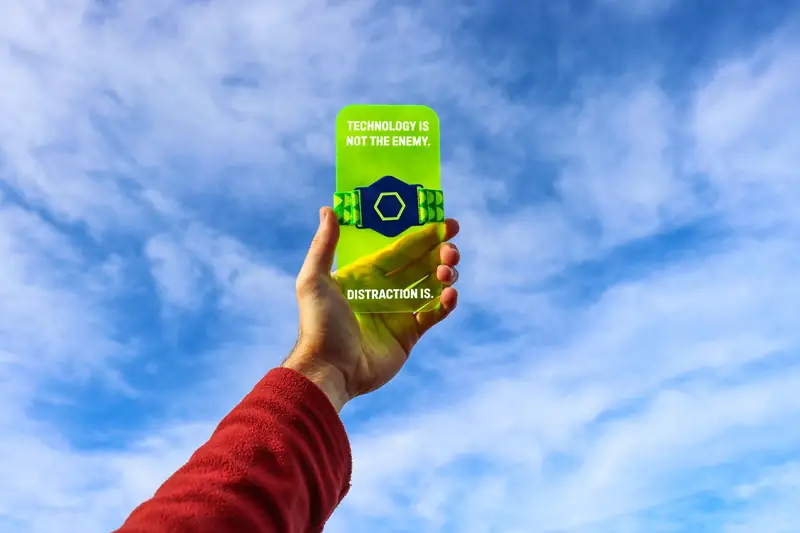
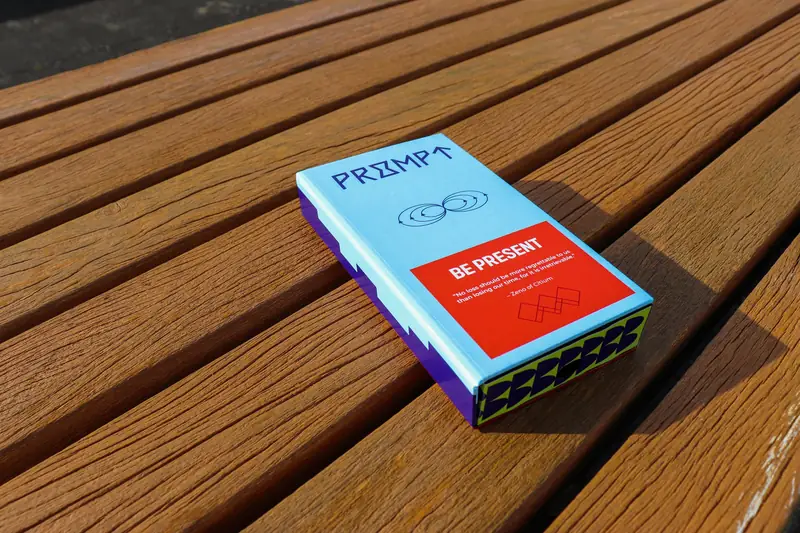
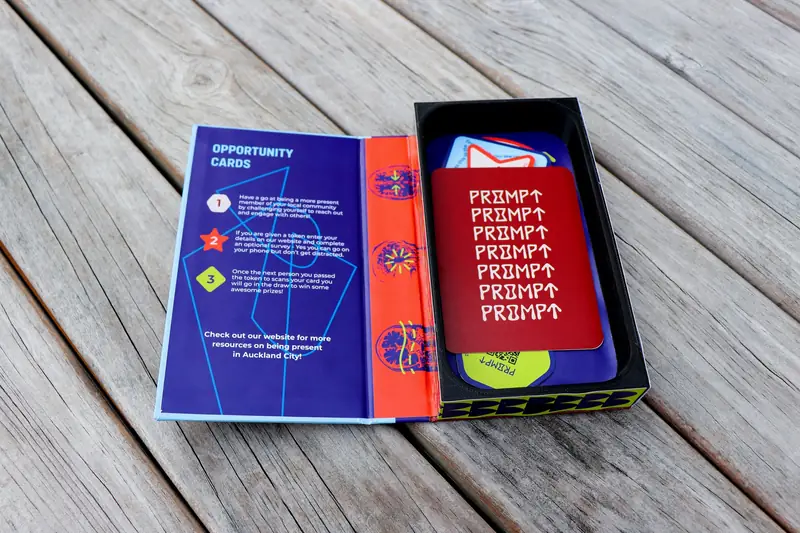
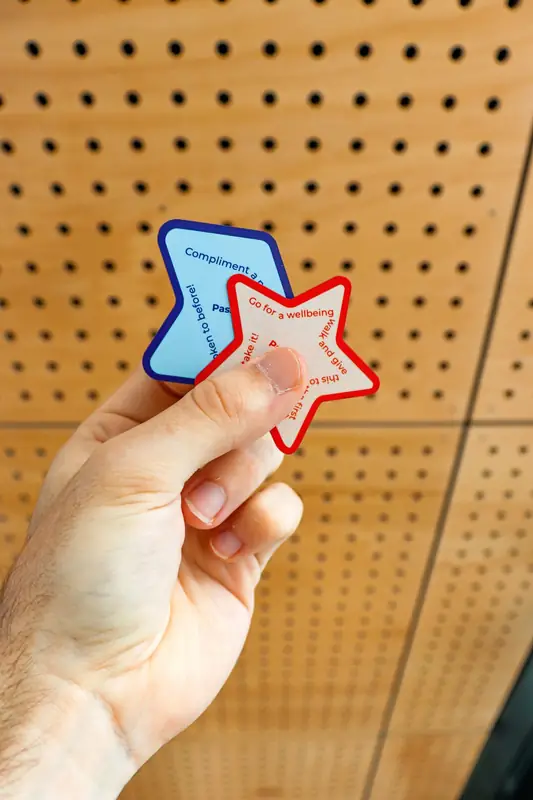
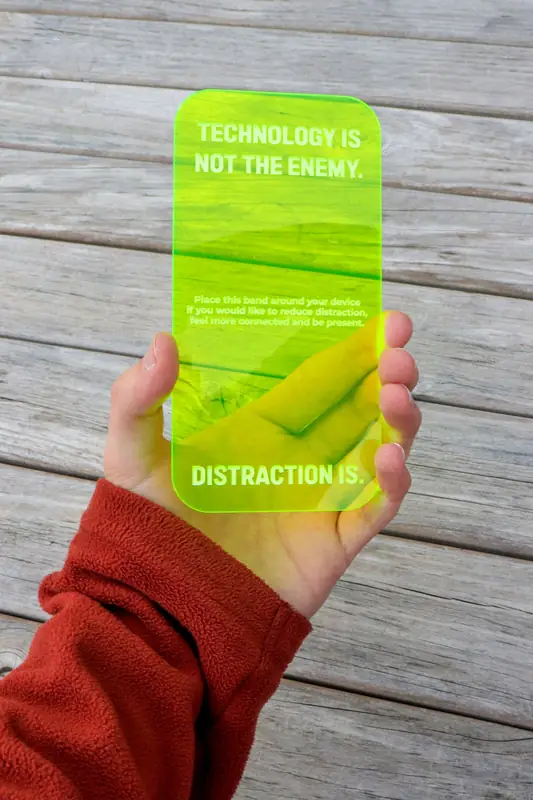
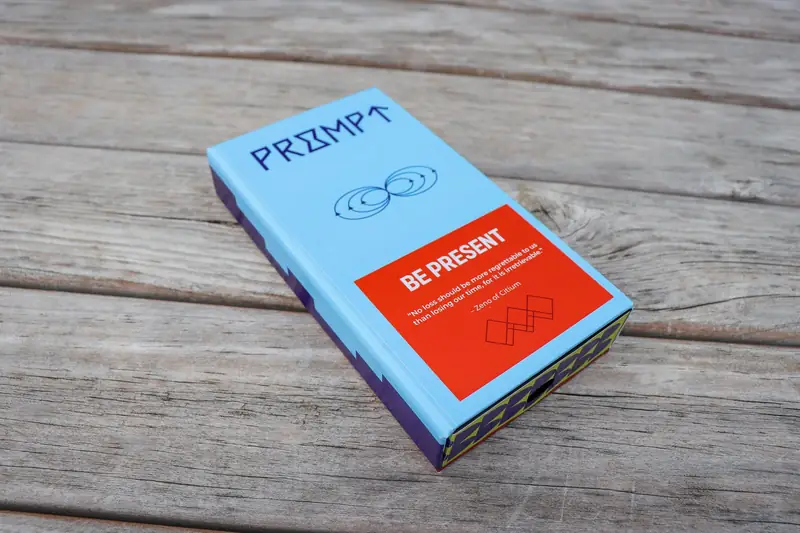
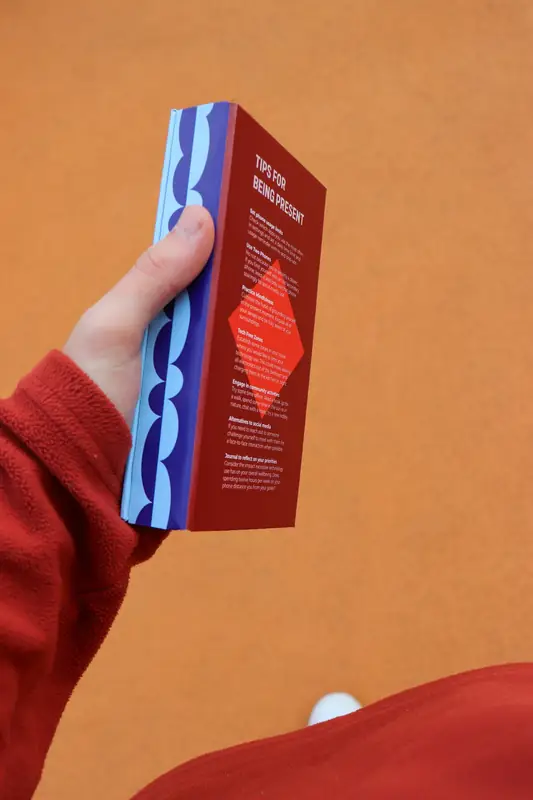
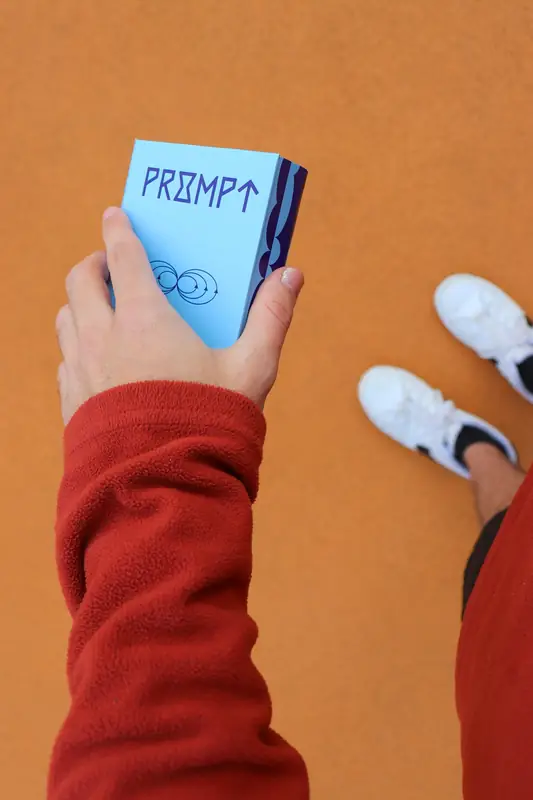
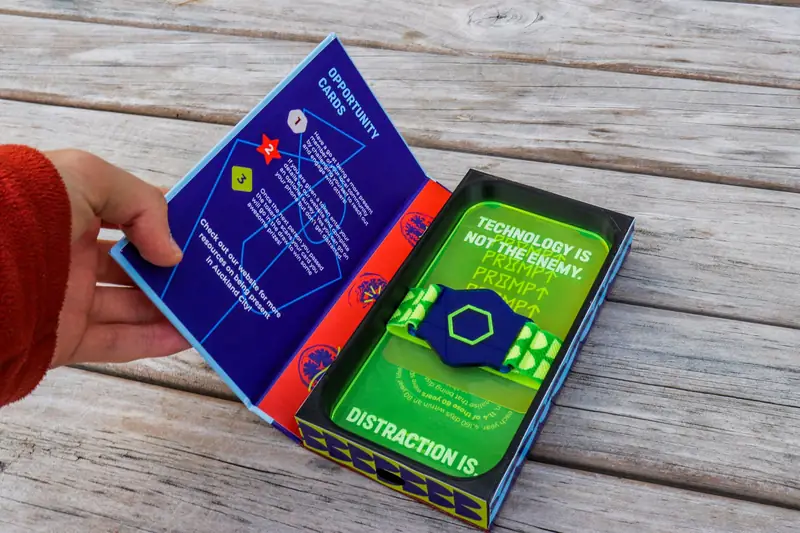
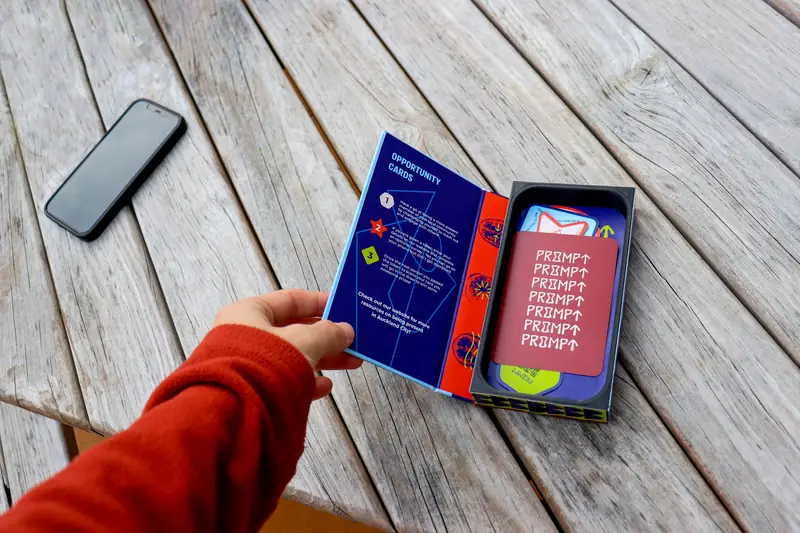
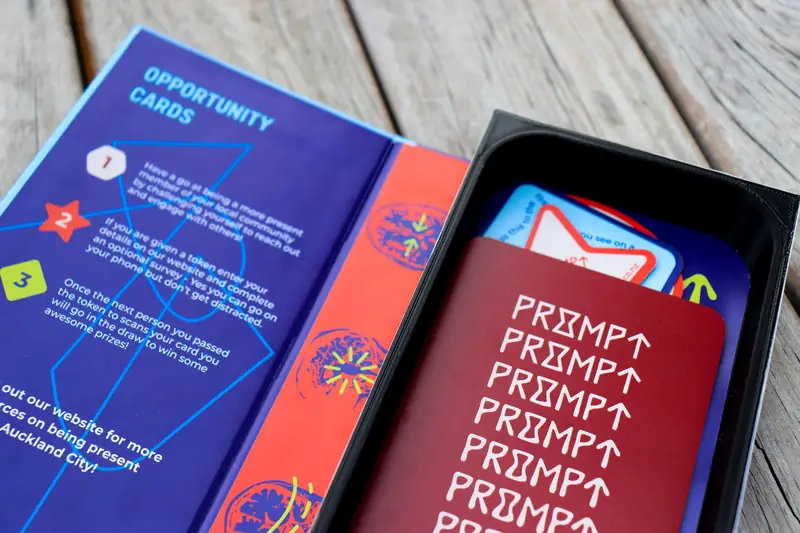
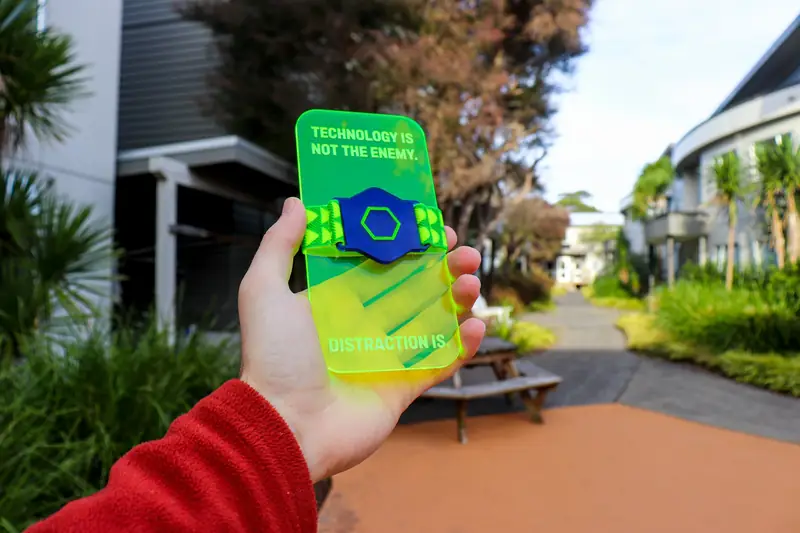
A phone box lets students store their device while they practise being present, with tips on how to engage with their local community. Inside are opportunity cards: tokens with social challenges to complete and pass on. Scanning the QR code records each handover, and people in the leading token chains go in the draw for weekly prizes. An elastic phone band wraps over the screen, so when a notification arrives you have to notice your behaviour and physically remove the band.
A poster series for bus shelters, lifts and public spaces where phones come out pairs the geometric system with quotes about time from Stoics and great thinkers such as Marcus Aurelius and Stephen Hawking. Street interventions and large-scale motion graphics on city billboards promote box breathing and mindfulness, giving Aucklanders a break from adverts competing for their attention.
Visual system
Shape and form express the duality of traction and distraction. Curved shapes and curved lines of type show time warping when your focus is caught in your phone. Sharp, angular shapes and type show the focus and mental fortitude it takes to notice your habits and choose not to lose your most precious resource to endless scrolling.
Geometric illustrations and quotes support this language, illustrating the duality of conscious and unconscious behaviour to improve wellbeing, social cohesion and community engagement.
Significance
The work could contribute to the wellbeing of young adults in New Zealand and reduce the strain on mental health systems. By minimising technological distraction and promoting real-world experiences, it aims to help young adults lead more fulfilling lives and form meaningful connections within their communities.